What Really Is Wine?
What Is Wine?
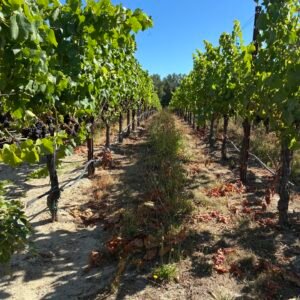
Wine is an alcoholic beverage made from fermented grapes—but not just any grapes. If you see “wine” on a label, it legally must come from grapes, not other fruits.
The grapes used for winemaking are quite different from the table grapes you buy at the grocery store: they’re smaller, sweeter, have thicker skins, and contain seeds—all of which contribute to wine’s unique flavors and structure.
The Grapes Behind Wine
Most wine comes from a single species: Vitis vinifera, a grapevine that originated in the Caucasus Mountains of Eastern Europe and has been used for winemaking for about 10,000 years.
Even though there are over 1,400 different grape cultivars grown commercially, about 100 grape varieties make up the majority of vineyards worldwide.
Some of the most common grape varieties include:
White grapes: Chardonnay, Sauvignon Blanc, Pinot Grigio, Riesling
Black grapes: Cabernet Sauvignon, Merlot, Pinot Noir, Syrah/Shiraz
Grape skins provide color and tannins, while the pulp contributes water, sugar, and acidity—all important elements that shape the style of the finished wine.
How Wine Is Made
Every wine starts the same way: grapes + fermentation = wine.
Here’s a quick breakdown of the winemaking process:
Harvest: Grapes are picked once a year, and the harvest year is what we refer to as the “vintage.”
Fermentation: Yeast consumes the sugar in the grapes and transforms it into alcohol and carbon dioxide.
Production methods differ by color:
White wines: Grapes are crushed, pressed (separating juice from skins), fermented, matured, then bottled.
Red wines: Grapes are crushed and fermented with their skins (for color and tannins), then pressed, matured, and bottled.
Rosé wines: Made like red wines, but the juice only stays in contact with the skins briefly for a pale pink hue.
Climate and Soil: Why It Matters
Where grapes grow has a huge influence on a wine’s final flavor.
Climate:
Warm climates (like Napa or Spain) tend to produce bold, ripe wines with higher alcohol and richer flavors.
Cool climates (like Burgundy or coastal New Zealand) often yield lighter, more delicate wines with higher acidity and subtle aromatics.
Soil:
Sandy soils can create lighter, aromatic wines.
Clay and limestone soils often lead to wines with more structure and body.
The Main Styles of Wine
While wine can feel complicated, most bottles fit into these nine major styles:
Sparkling wine: Known for bubbles and freshness (e.g., Champagne, Prosecco, Cava).
Light-bodied white wine: Crisp, bright, and often citrusy (e.g., Pinot Grigio, Sauvignon Blanc).
Full-bodied white wine: Rich, smooth, and sometimes creamy (e.g., oak-aged Chardonnay, Viognier).
Aromatic white wine: Intensely perfumed and sometimes off-dry or sweet (e.g., Riesling, Moscato).
Rosé wine: Pink-hued, versatile, and easy to enjoy year-round (e.g., Provence Rosé).
Light-bodied red wine: Lighter color, soft tannins, high acidity (e.g., Pinot Noir, Gamay).
Medium-bodied red wine: Moderate tannins and structure, versatile with food (e.g., Merlot, Sangiovese).
Full-bodied red wine: Bold, tannic, built to age (e.g., Cabernet Sauvignon, Syrah/Shiraz).
Dessert or fortified wine: Sweeter styles made with special methods (e.g., Port, Sherry, Sauternes).
How We Taste Wine
When tasting wine, there are a few key things to pay attention to:
Color: White, red, rosé—all give clues about style and grape variety.
Sweetness: Detected at the tip of your tongue.
Acidity: The sourness that makes your mouth water.
Tannin: The drying sensation mostly found in reds.
Alcohol: The warming sensation you feel after swallowing.
Body: How light or rich the wine feels in your mouth.
Aromas and flavors:
Primary aromas come from grapes (fruits, flowers, herbs).
Secondary aromas come from fermentation (bread, cream, yeast).
Tertiary aromas come from aging (vanilla, nuts, dried fruit).
Finish: How long the flavor lingers after swallowing.
Balance and complexity: Whether the elements (acidity, tannin, alcohol) work together harmoniously and how many layers of flavor the wine reveals.