Starting Before the Finale: Understanding Opus One’s Overture
Recently, I took my daughter to see The Nutcracker for the first time on a night she had been anticipating since she had found out I had tickets. She knew the music she had heard before, especially the Sugar Plum Fairy, even if the story itself was still new to her. Like many audience members, she was focused on the moment she recognized most.
We were late.
Not wildly late, but late enough to miss the Overture. (I blame the Orlando parking system, but I digress. )We were able to be seated just as Clara was given her doll and was about to be sent to bed. At least the best was yet to come.
At first, I was so disappointed. I wanted Jessie to experience the ballet from the beginning, to hear the opening notes that set the tone and introduce what follows. But as the performance unfolded, I began to connect some dots in my brain.
Even without hearing it, the overture still mattered. The mood had already been established. The pacing made sense. You could tell that something foundational had come before, even if you hadn’t experienced it yourself. The story held together, and the magic of this iconic show still worked.
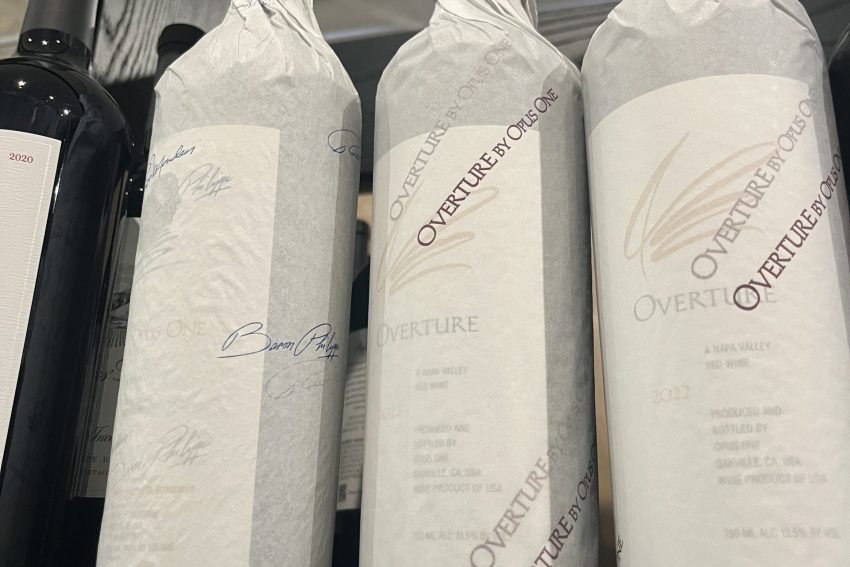
Earlier that same day, a shipment of Opus One Overture arrived at the shop where I proudly manage the wine department. The timing wasn’t lost on me.
Opus One occupies a singular place in American wine. It is one of Napa Valley’s most recognizable labels and one of the most anticipated Cabernet-based blends in the world. For many drinkers, it represents a benchmark. A destination wine. A bottle saved for anniversaries, milestones, and moments deemed worthy of its reputation.
In this sense, Opus One is very much the Sugar Plum Fairy—iconic, precise, and long awaited.
Overture plays a different role.
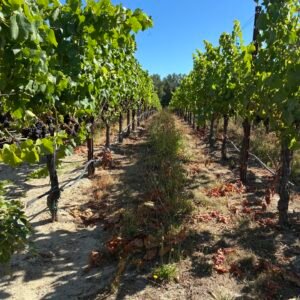
Produced from the same Oakville estate vineyards and guided by the same winemaking philosophy, Overture is not a lesser wine but a different expression of intent. It is a multi-vintage blend, a deliberate choice that allows the winemaking team flexibility to focus on balance and cohesion rather than strict vintage expression. Where Opus One emphasizes structure and long-term aging, Overture prioritizes accessibility and harmony.
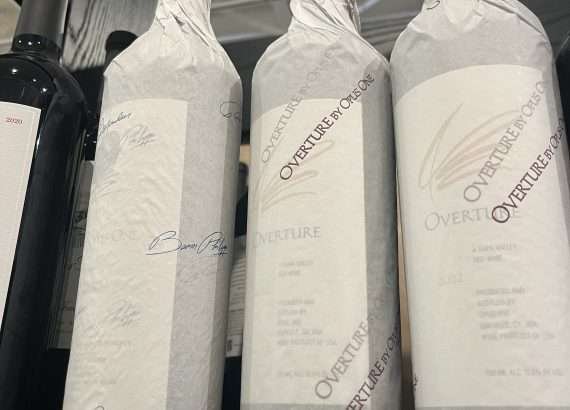
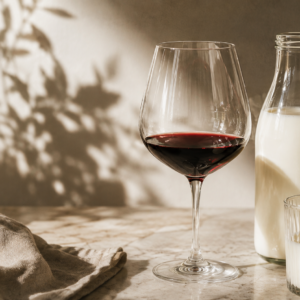
That distinction is evident in the glass. Overture carries the unmistakable Opus One signature, showing ripe black cherry and blackberry with gentle spice and smooth, polished tannins. There is an ease to the wine that makes it approachable now, composed without being severe and generous without being heavy, inviting attention rather than demanding ceremony.
An overture is not meant to overshadow the performance that follows. It introduces themes, establishes mood, and prepares the audience for what is to come. Even when it is missed, its influence is still felt in the structure of the story.
Opus One’s Overture functions the same way. It offers a clear sense of the house style without requiring the patience or formality often associated with the flagship wine. It is Opus One with less pressure attached.
Sitting beside my daughter that evening, watching her follow the story with growing focus, I kept thinking about how often we rush toward the moments we are told matter most. We wait for the highlight. We save the bottle. We assume enjoyment should be postponed until everything aligns just right.
But beginnings matter too. Introductions shape understanding. They allow space for curiosity and connection.
Overture exists for those moments. It is a wine meant to be opened because dinner ran long, because friends stayed later than planned, or because the timing felt right. Albeit still costly, it does not ask to be saved. It simply asks to be enjoyed.
We missed the Overture that night at the ballet. Still, the story unfolded beautifully. The music landed. The moment arrived.